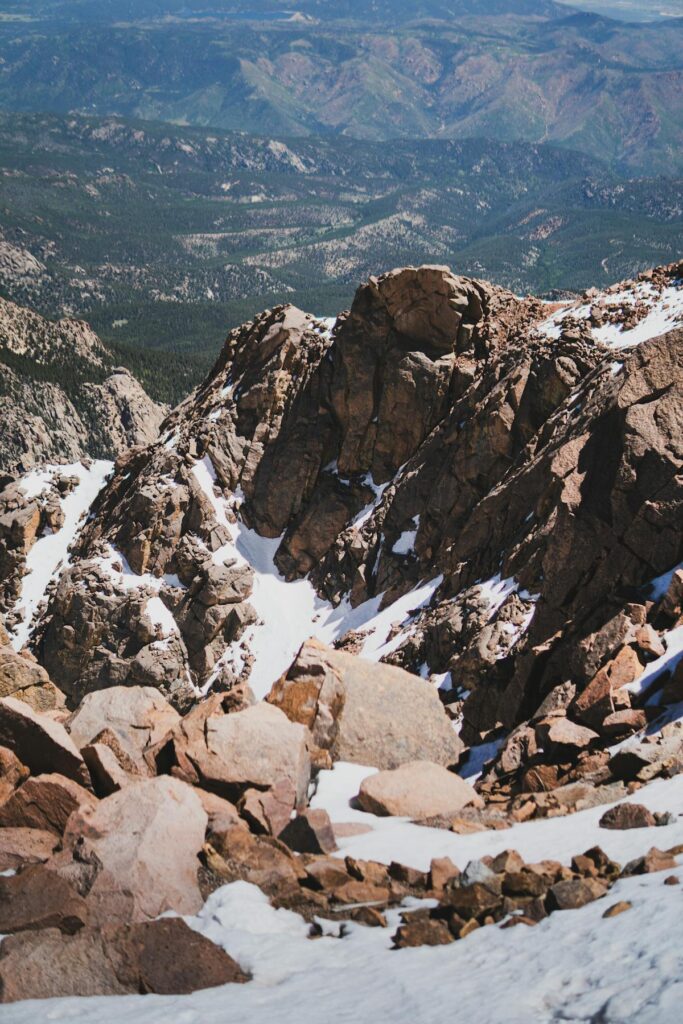
Colorado Springs sits at 6,035 feet above sea level. That is higher than Denver. And if you are visiting from sea level — or thinking about moving here — altitude is going to affect you in ways that nobody warns you about.
I have lived here for over 20 years. The altitude does not bother me anymore, but I watch visitors deal with it every summer. And I remember what it was like when I first moved here. It is not dangerous for most people, but it will catch you off guard if you do not prepare for it.
Here is what actually happens and what to do about it.
The First 48 Hours
When you arrive at 6,035 feet from sea level, there is about 20% less oxygen in every breath you take. Your body adjusts — it takes about 24-48 hours. During that adjustment period, expect some combination of:
- Headache (the most common symptom)
- Fatigue — you will feel tired earlier in the day than normal
- Shortness of breath on stairs or mild inclines
- Trouble sleeping the first night
- Mild nausea (less common but it happens)
These symptoms are normal and they pass. They are not altitude sickness — real altitude sickness happens above 8,000-10,000 feet and is a different situation. What you feel at 6,000 feet is just your body adjusting to less oxygen.
My advice: Take day one easy. Walk around downtown, eat at Shuga’s, drive through Garden of the Gods. Save the Manitou Incline for day two or three.
Hydration Is Not Optional
Drink twice as much water as you normally would. I am not exaggerating. The air is dry here — humidity regularly sits at 10-20%, which is less than most deserts. You are losing moisture with every breath, and you do not feel it because the sweat evaporates instantly.
If you normally drink 4 glasses of water a day, drink 8 here. If you wait until you feel thirsty, you are already dehydrated. Carry a water bottle everywhere. This is the single most important tip in this entire article.
Alcohol Hits Different
This is the one that surprises visitors the most. At altitude, alcohol affects you faster and harder. What normally feels like two drinks at sea level can feel like three or four here. Your body is already working harder to process oxygen, and alcohol makes it worse.
I am not saying do not drink — Colorado Springs has excellent breweries and bars. I am saying pace yourself, especially on your first day. And hydrate between drinks. One water for every beer is a good rule up here.
The Sun Will Burn You Fast
At 6,000+ feet, UV exposure is significantly stronger than at lower elevations. The atmosphere is thinner, so less UV gets filtered out. You will burn in 15-20 minutes on a clear summer day, even if it does not feel that hot.
This catches people off guard because the temperature might be a pleasant 75 degrees. You are not sweating. You do not feel hot. But the sun is doing its work. SPF 50, reapply every 2 hours, wear a hat. This is especially critical on Pikes Peak at 14,000+ feet, where you are above most of the atmosphere’s UV filtering.
Cooking and Baking at Altitude
This one is for people moving here, not just visiting. Water boils at a lower temperature at 6,000 feet — about 201 degrees instead of 212. That means:
- Pasta and rice take longer to cook
- Boiled eggs take longer
- Baking is different — cakes rise faster and can collapse. Most recipes need altitude adjustments (less leavening, more liquid, higher oven temperature)
- Baked goods go stale faster because of the dry air — seal everything in airtight containers
Every bag of flour and box of cake mix has altitude instructions on the side for a reason. Use them. My wife and I mill our own grain for bread, and even sourdough behaves differently at altitude. It is a learning curve, but you figure it out.
Exercise and Hiking
Your cardiovascular system works harder at altitude. A hike that would be easy at sea level will have you breathing hard here. Your heart rate will be higher for the same effort level.
This does not mean you should skip hiking — Garden of the Gods, Ute Valley Park, and Red Rock Canyon are all beautiful and accessible. Just start with the easier trails. Do not make the Manitou Incline (2,744 steps, 2,000 feet of elevation gain) your first hike in Colorado Springs. That is a recipe for altitude sickness and a miserable afternoon.
For runners: expect your pace to be 30-60 seconds per mile slower than at sea level for the first few weeks. It comes back as you acclimate. Do not fight it.
Sleep
A lot of visitors report poor sleep on their first night at altitude. This is normal. The lower oxygen level can cause periodic breathing — you breathe faster, then slower, and it can wake you up. It usually resolves by night two or three.
If you want to help: drink extra water before bed, avoid alcohol the first evening, and keep the room cool. Some people find a slightly elevated pillow helps.
The Long-Term View
For people thinking about moving to Colorado Springs: the altitude adjustment takes about 2-4 weeks to fully complete. After that, your body has adapted — more red blood cells, better oxygen processing. You will feel normal.
The flip side is interesting. After living at 6,000 feet for a while, when you travel to sea level, you feel like a superhero for a day or two. More oxygen, easier breathing, faster running times. It is like a natural performance boost that you do not appreciate until you experience the contrast.
I recently spent time boondocking in Tennessee at about 900 feet elevation. The difference from 6,035 feet is noticeable — sleeping is easier, breathing is easier, and the extra oxygen is genuinely pleasant. There is something to be said for lower altitude living, especially for people with certain health conditions.
Quick Reference
| Topic | What to Know |
|---|---|
| Altitude | 6,035 feet — 20% less oxygen than sea level |
| Adjustment time | 24-48 hours for most symptoms to pass |
| Hydration | Drink 2x your normal water intake |
| Alcohol | Hits harder and faster — pace yourself |
| Sun | Burns in 15-20 minutes — SPF 50, hat, reapply |
| Exercise | Start easy, expect slower pace for first 2 weeks |
| Cooking | Water boils at 201F, baking needs altitude adjustments |
| Sleep | First night may be rough — hydrate, avoid alcohol |
Springs Local Guide is written by a 20-year Colorado Springs local. Real advice from real experience. Explore more at springslocalguide.com.
